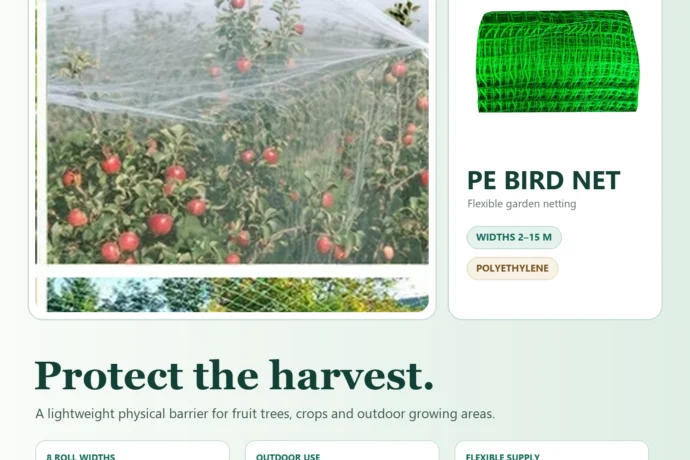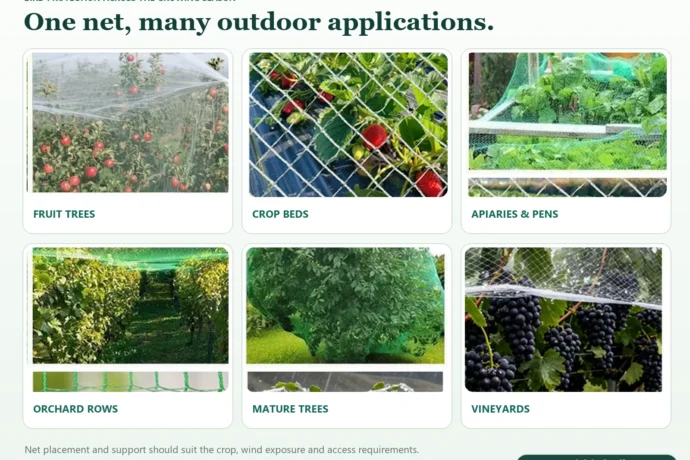
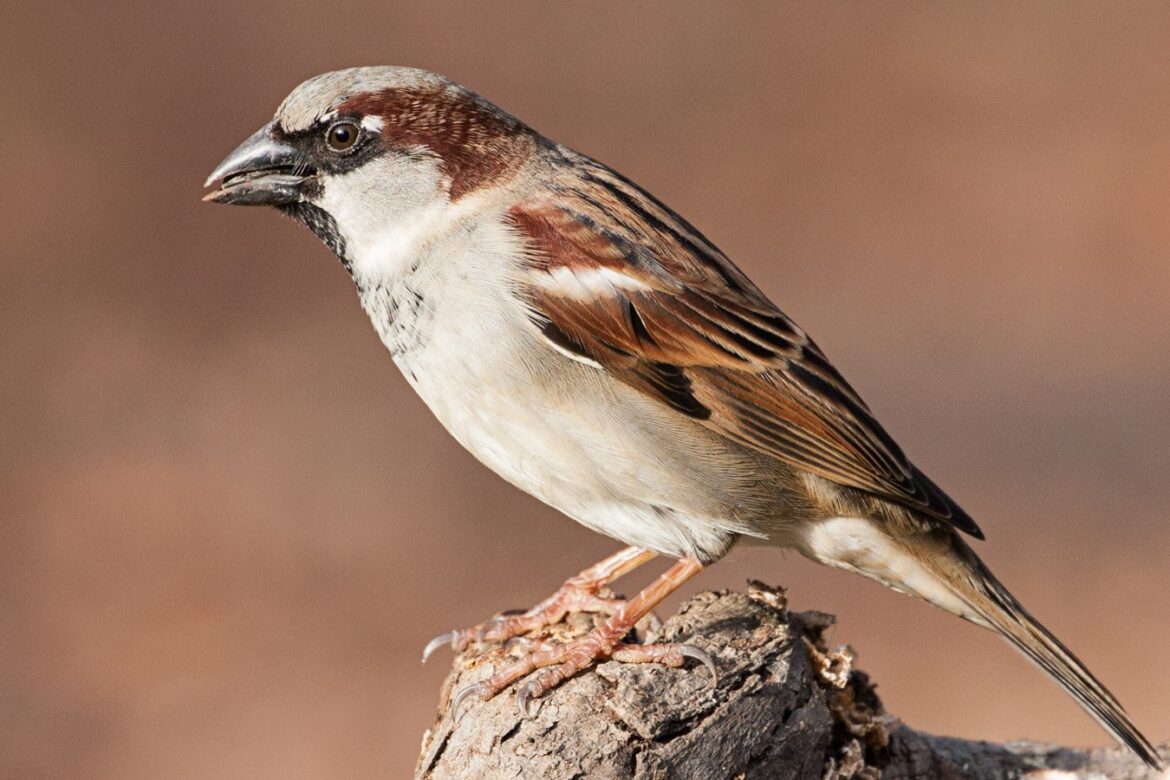
Bird netting for sparrows works best when it closes the whole route birds use, rather than covering only the spot where they are most visible. Identify whether sparrows are entering a growing area, porch, eave, barn or warehouse, then choose a supported barrier that keeps its perimeter taut and leaves no loose pockets.
What is bird netting for sparrows?
Bird netting for sparrows is a physical mesh barrier supported across a garden, balcony, porch, eave or building opening to stop birds reaching the protected space. It is different from spikes: netting closes an area or entry route, while a spike strip makes a narrow landing surface unsuitable.
“Sparrow” is not one identical target. House Sparrows often live closely around buildings, while native sparrows can have different habits and legal protection. Photograph the birds and confirm the species where local law or wildlife advice depends on it.
Where do sparrows get through?
Observe the route for several days before choosing a product. Look for gaps at roof edges, loose building cladding, porch beams, gaps above doors, unsealed crop frames and spaces beneath eaves. Sparrows may fly into a protected volume or use a narrow edge to perch before moving inside.
| Problem | What is happening | Better starting point |
|---|---|---|
| Birds feed inside a crop bed | Open volume access | Use a supported crop net with closed soil-line edges and a workable door. |
| Sparrows enter a porch or shed | An incomplete opening | Measure the full span and plan a taut screen that preserves access. |
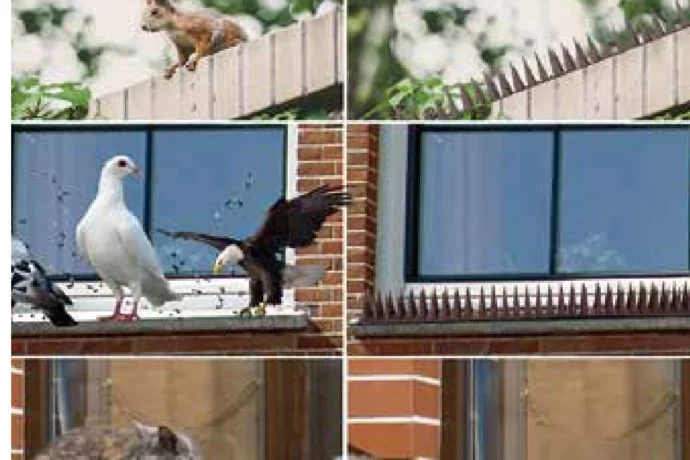
| They land on a beam or window ledge | A defined perching edge | Measure the landing footprint and consider bird spikes for sparrows. |
| They use a gap under roof trim | A narrow construction gap | Inspect the opening and arrange suitable exclusion without blocking ventilation. |
Choose a net for the protected area
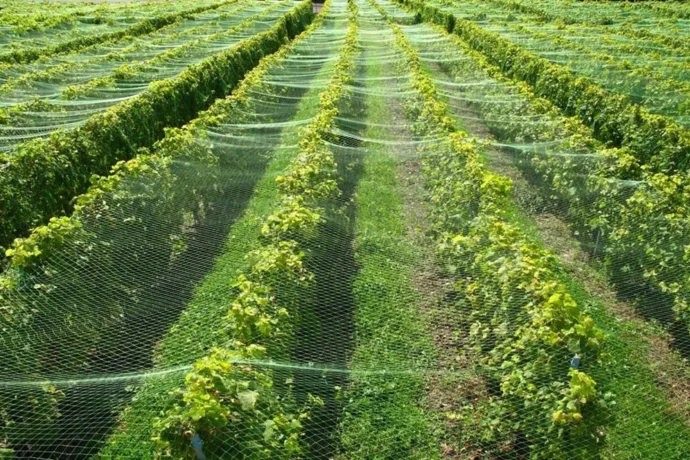
For garden rows, fruit cages and crop beds, plan the net around the support frame and the harvesting route. For porches and barns, the net needs a stronger perimeter because people and doors create repeated contact points.
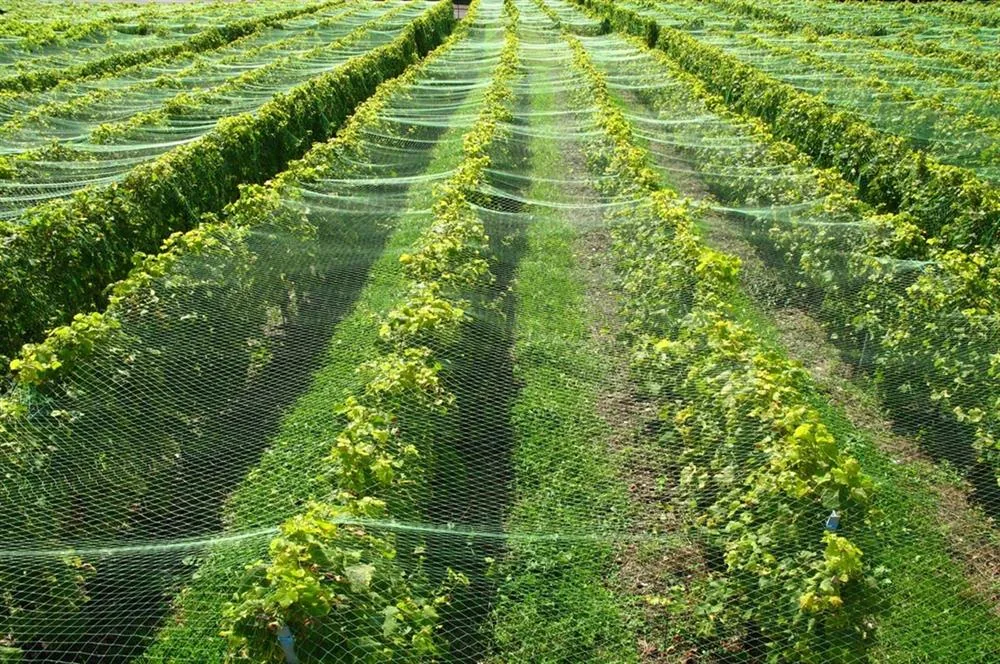
Ask the supplier to confirm mesh opening, roll width, length and material for the target bird and exposure. A mesh that appears small in a photograph is not enough information. The opening needs to be suitable for the protected species and the edges must be secured against wind and accidental lifting.
Bird netting for sparrows compared with spikes
| Method | Best fit | Avoid when |
|---|---|---|
| Bird netting | Gardens, crop beds, porches and larger openings where the birds enter a volume. | The net cannot be supported, tensioned or monitored safely. |
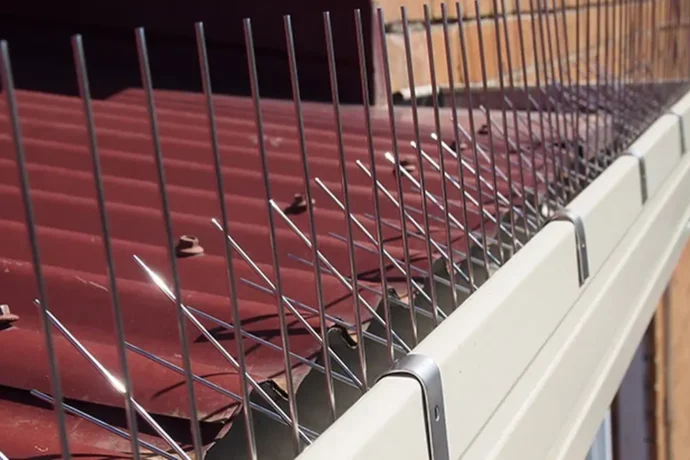
| Bird spikes for sparrows | Narrow beams, sign tops, sills and ledges where birds only need a landing surface. | Birds fly through an opening or enter a nest cavity. |
| Visual deterrent | Temporary pressure around open areas, in combination with site changes. | There is an open entry route that birds can reuse. |
Small bird netting is not automatically the right answer just because the target bird is small. A large loose curtain can create a trapping hazard. A tightly framed barrier around the actual protected area is safer and easier to inspect.
Measure before ordering
Make a simple site sketch. Record the opening width and height, the distance to the nearest support, the walking route through the space, and the location of doors, vents, gutters and taps. Add enough material for edge fixing, overlaps and trimming.
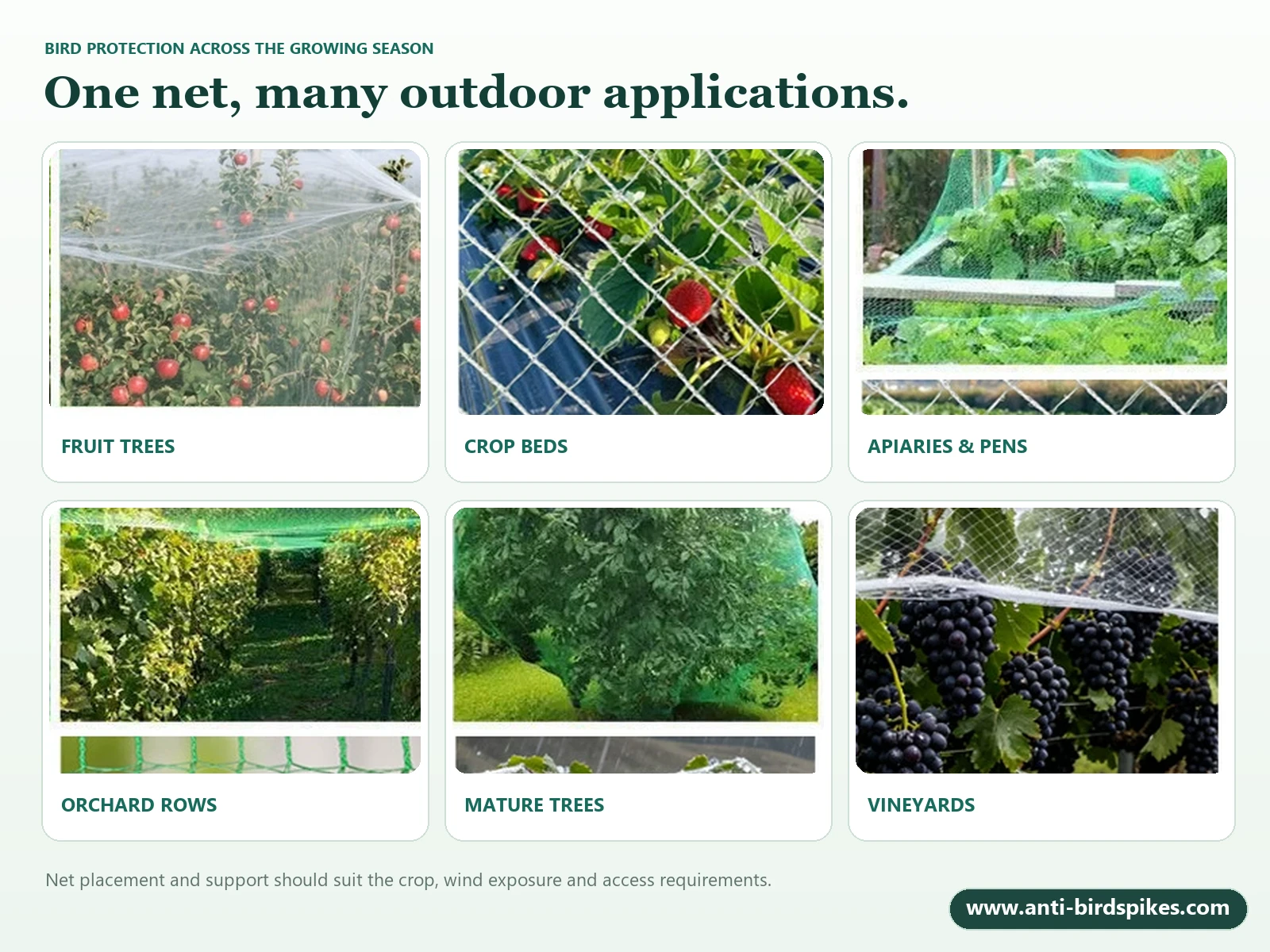
For a garden, keep the net above the plants rather than pressing directly into fruit or flowers. For a building opening, keep the net clear of doors and moving equipment. If the span is long, divide it into supported panels instead of relying on one unsupported sheet.
How to install sparrow netting safely
- Remove immediate hazards. Inspect the opening for loose cladding, electrical services, rotten timber and sharp edges.
- Mark the full perimeter. Include corners and gaps above doors or below roof trim.
- Build suitable support. Plan posts, cables or frames that hold the net without depending on the mesh itself.
- Dry-fit the panel. Confirm access, ventilation and the route people use through the space.
- Tension the mesh evenly. Avoid sagging pockets or loose edges where a bird can enter behind the net.
- Close the perimeter. Secure every edge and inspect for places where wildlife could become entangled.
- Inspect and maintain. Re-tension after wind and repair small faults before they become open gaps.
When bird spikes for sparrows fit better
A narrow window ledge, porch beam or sign top may be a landing problem rather than an opening problem. In that case, bird spikes for sparrows can be an efficient physical cue. Measure the full landing depth and cover the whole usable edge so the birds do not simply move a few centimetres sideways.
Our guide to bird spikes for small birds explains spacing and coverage, while the spikes-versus-netting comparison helps distinguish a ledge from an open route. For domestic openings, the clear PVC bird spikes offer a lower-visual-impact format.
Keep the area less attractive
Netting does not remove the reason birds return. A reliable sparrow deterrent plan also clears spilled seed, manages open compost, secures waste and reduces standing water around the protected area. In a garden, move feeders away from vulnerable crops and keep harvest or fallen fruit out of reach. In a building, repair gaps and remove sheltered nesting opportunities outside the legal nesting season.
Make changes in sequence and observe the response. If birds move to an adjacent ledge within days, the original route was not fully closed. Add coverage only after inspecting the new landing or entry point.
Frequently asked questions
Will bird netting keep sparrows out of a garden?
It can when the net is supported above the crop and the perimeter is closed. An open edge or loose bottom can let birds enter underneath.
What is the right mesh for sparrows?
The exact opening depends on the target species and product. Confirm the mesh with the supplier instead of copying a generic size from another site or product image.
Can I use spikes instead of netting?
Spikes suit narrow ledges and perching edges. They do not close a garden row, porch opening or roof void that sparrows can fly through.
Is netting humane?
A taut, well-supported physical barrier is designed to exclude birds without harming them. Loose netting can create serious entanglement risk, so inspection and maintenance are part of the installation.
Can I remove a sparrow nest from a roof gap?
Check the species and local wildlife rules first. Do not remove an active nest or seal an occupied cavity without professional guidance.
Plan the right sparrow barrier
Compare our polyethylene bird protection net with the stainless steel bird spike range. If you are protecting a barn opening, read the barn swallow netting guide; for broader product choices, browse the Bird Control Guide Library.
Need help choosing sparrow netting?
Send the opening dimensions, support structure, target bird, crop or building use, and delivery country. We can help review a suitable net or ledge format.
This guide provides general product and site-planning information. Confirm local wildlife rules, final mesh specification and safe access before ordering or installing.