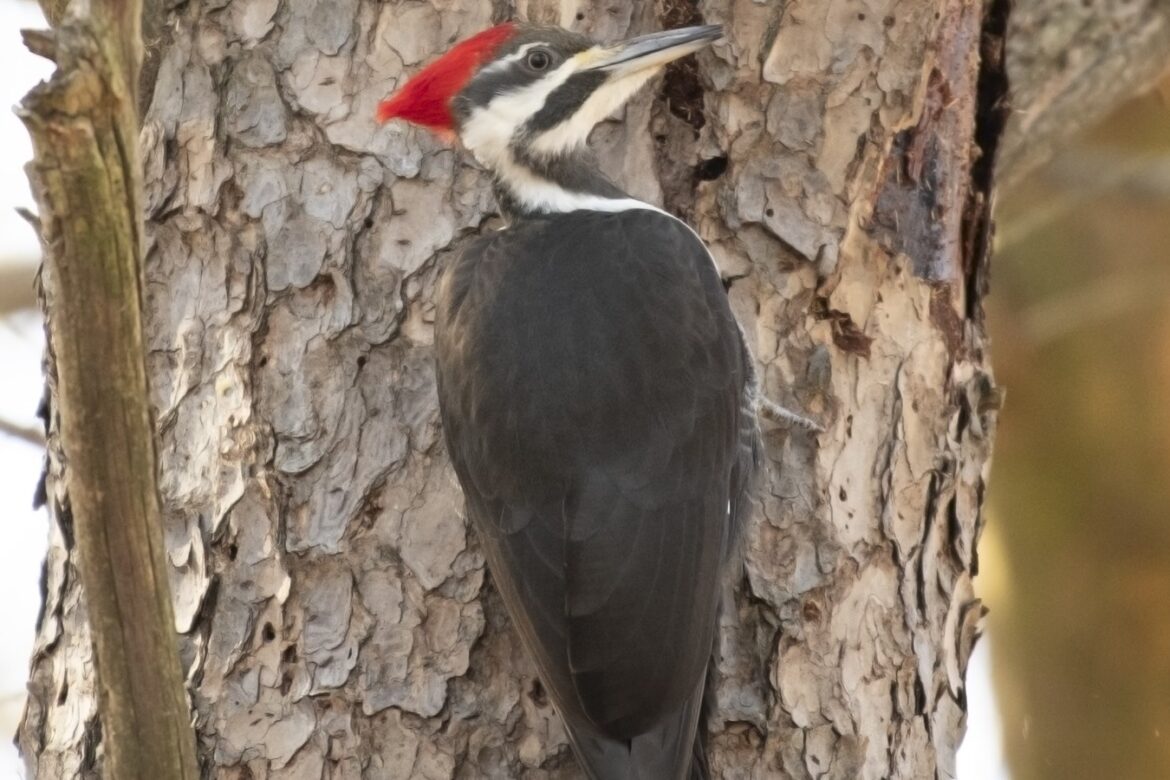
A house woodpecker deterrent should match what the bird is doing. Drumming, insect foraging and cavity excavation need different responses. Begin with safe observation and a damage inspection, protect vulnerable timber, and check wildlife rules before installing netting, reflective tape or any physical barrier.
What is a woodpecker deterrent?
A woodpecker deterrent is a device or physical barrier intended to discourage a woodpecker from drumming, feeding, perching or excavating at a building. Effective products interrupt access or make the place feel less secure, but no deterrent is guaranteed against every bird. Site conditions, timing and protected-species rules matter.
Identify the behavior before buying anything
A loud tapping sound does not always mean the bird is making a large hole. Watch from indoors, take photos of the impact points and note the time of year. Check for fresh holes, sawdust, insects, loose trim and water damage.
| What you notice | What it may mean | Useful starting point |
|---|---|---|
| Rapid, repetitive drumming on metal or siding | Territorial signalling, often short-lived | Log timing and consider a temporary visual or physical cue. |
| Irregular holes with wood particles | Foraging for insects or excavating | Inspect the timber and address moisture, decay or infestation. |
| A large finished opening | Possible cavity or nest site | Do not close it until occupancy and local rules are checked. |
| Repeated visits to one wall section | A learned route or attractive surface | Protect that section and nearby access points consistently. |
If the damage is in structural timber, high on a roof or around electrical services, stop and involve a qualified building inspector or pest professional. A superficial product fix will not correct rot, water entry or an active insect problem. No woodpecker repellent is a substitute for repairing a failed building detail.
Inspect the building before choosing a repellent
Look for cracked sealant, loose flashing, damp wood, old holes, insect activity and places where birds can grip. Woodpeckers sometimes return to the same building material, so covering a small stripped area while leaving the surrounding wall open may only move the impact point.
- Record the damage. Photograph every fresh hole and mark its size and location.
- Check the building fabric. Inspect the back of the wall for water entry and soft timber.
- Remove avoidable attraction. Resolve food, nesting or insect conditions that make the site attractive.
- Confirm the behavior and legal status. Record whether the bird is drumming, feeding, perching or entering a cavity, and check protection rules before taking action.
Compare netting, reflective tape and surface protection
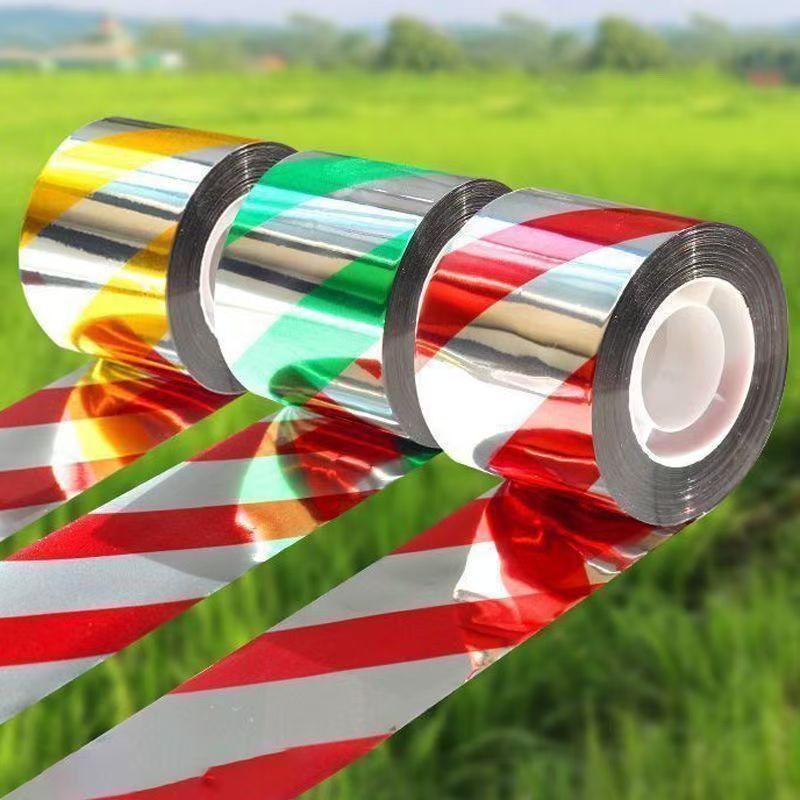
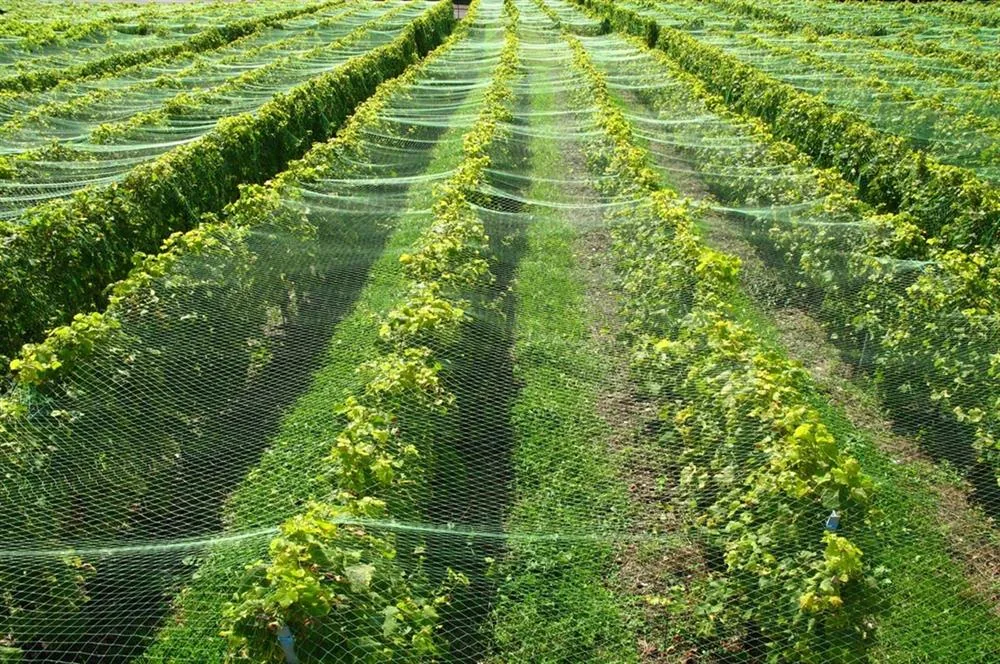
Bird netting for woodpeckers can form a temporary or removable physical standoff over vulnerable siding, gable ends and narrow building sections. Reflective tape for woodpeckers can create movement and reflected light, but its effect may fade as birds become accustomed to a fixed position. Both need a careful layout.
| Method | Possible role | Main limits |
|---|---|---|
| Bird netting | Holds birds away from a protected wall or opening when properly tensioned. | Needs suitable anchors, clearances and inspection to prevent entanglement. |
| Reflective tape or ribbon | Adds movement and reflected light in open areas. | Weather, tangles and habituation reduce consistency. |
| Physical sheathing or repair | Repairs the damaged surface and makes the timber less accessible. | Must preserve drainage, ventilation and the building envelope. |
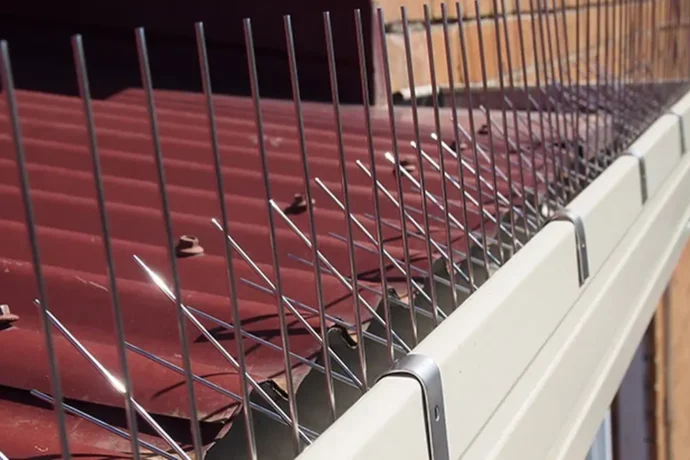
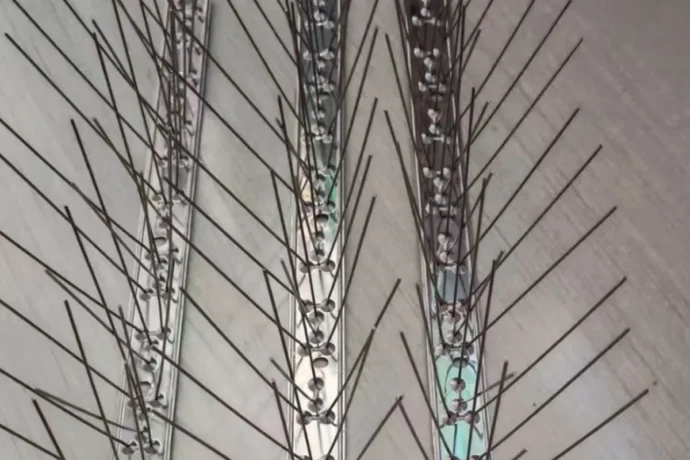
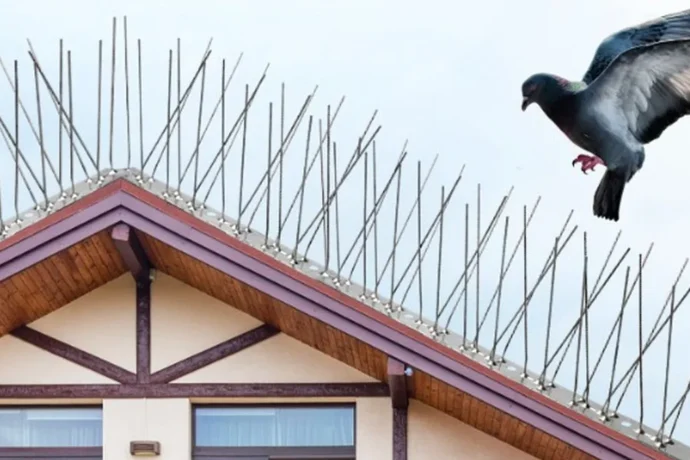
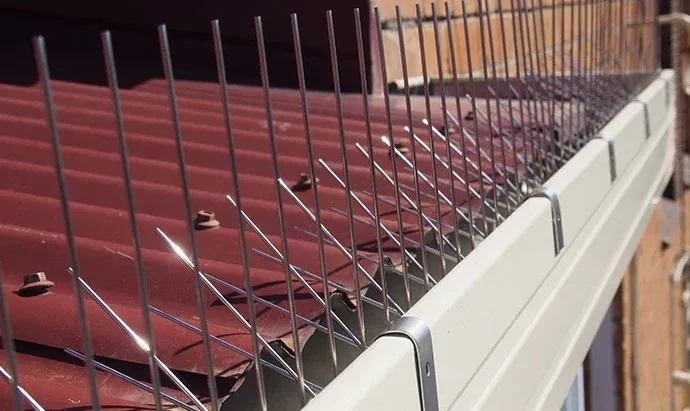
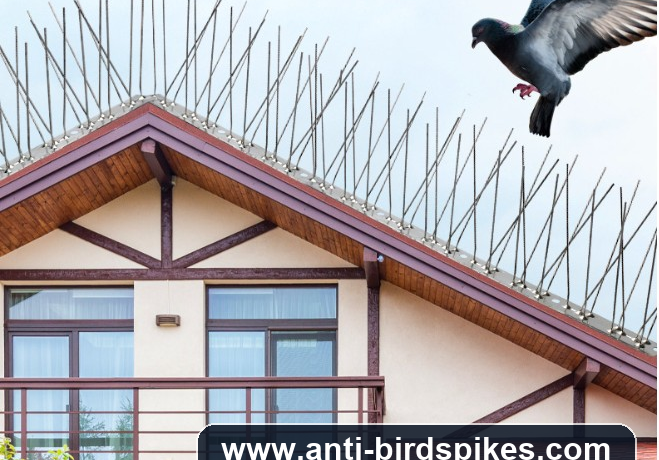
| Bird spikes | Can protect narrow structural perches where landing is the issue. | Not a general solution for drumming or holes in siding. |
Use bird netting for woodpeckers without trapping them
Netting is most useful when it is held taut on a frame or support system a short distance from the wall. Keep it clear of windows, vents, gutters and utilities. Do not drape a loose sheet where a bird can fly behind it or become caught.
Use netting as part of a defined building-protection plan: identify the affected area, protect the full width birds use and confirm that the fixing method does not damage waterproofing or create an anchor failure risk. Inspect after wind, snow and severe rain.
Get more from reflective tape for woodpeckers
Reflective tape works best as a changing cue rather than a permanent shield. Hang it where it can move freely and catch light without touching a hot surface, electrical conductor or public walkway. Use adequate spacing and inspect for tangles.
If the tape has stopped having an effect, reposition it rather than adding dozens of loose strips. Our reflective ribbon troubleshooting guide explains airflow, height and movement checks. Browse the reflective bird deterrent tape range if a visual cue suits the site.
What to avoid
- Do not paint over rot, active moisture or insect damage without a repair plan.
- Do not leave dangling tape near power lines, machinery or walkways.
- Do not cover ventilation openings without an engineered replacement.
- Do not assume a product can legally be used against every woodpecker species.
Check wildlife rules and local requirements
Many native birds, including most woodpeckers in the United States, are covered by the Migratory Bird Treaty Act. Restrictions can apply to birds, nests, eggs and active cavities. Species protections also vary by country and region.
Use a deterrent that does not injure or trap birds, and contact the relevant wildlife agency before removing an active nest or undertaking a large exclusion project. For buildings where the species is unknown, local expert inspection is safer than guessing.
Frequently asked questions
What is the best woodpecker deterrent for a house?
There is no universal product. Match the method to the behavior: repair and protect damaged timber, use a tensioned physical barrier where appropriate and add a changing visual cue when the site allows.
Does reflective tape keep woodpeckers away?
It can discourage some birds for a period, especially when it moves and reflects light. It is not a guaranteed or permanent barrier, and birds may become accustomed to it.
Does bird netting for woodpeckers damage siding?
Netting itself does not need to touch the siding, but poor anchors can damage the building. Use a supported frame and fixing plan that protects waterproofing and withstands local wind.
Why is a woodpecker drumming on metal?
Woodpeckers often drum on resonant surfaces to communicate. If there is no hole or damage, observe the timing and use non-harmful disruption before treating it like excavation damage.
Can I remove a woodpecker nest from my wall?
Do not remove an active nest without checking local law. Protected birds and active nests may require authorization or specialist handling.
Build a site-specific plan
Choose the least invasive method that addresses the behavior and fits the building. Compare the polyethylene bird protection net with multi-coloured reflective bird tape, then review the Bird Control Guide Library for related installation checks.
Need help reviewing a woodpecker problem?
Send photos of the affected wall, hole pattern, building material, access conditions and project country. We can help review a safe product direction.
This guide provides general information and does not replace a building inspection, wildlife permit review or site-specific safety assessment.