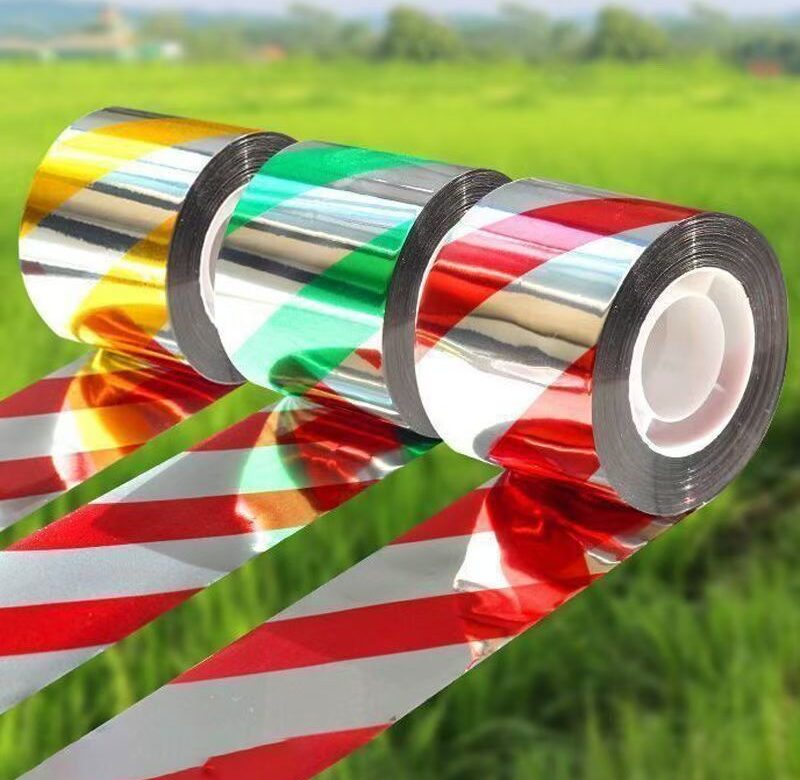
Bird deterrent ribbon, often sold as bird scare tape, depends on movement as much as shine. If birds now land beside it—or ignore it altogether—the usual problem is still air, a static placement, or a familiar pattern. Before buying more ribbon, check these five points.
1. Check for still air
Reflective ribbon cannot flash or rustle when it hangs in a sheltered corner. Stand where the ribbon will be placed and look for visible movement during the calm parts of the day. If it barely turns, shift it toward the field edge, a roofline or another point with more crosswind. Keep it clear of branches, cables and walls that can snag the film.
2. Leave one end free
Tying both ends tightly turns the ribbon into a static strip. Fix one end to a pole, wire or support and leave the other end loose, with enough length for the film to twist and lift. The moving reflection should be visible from the direction birds approach, not only from the path where people walk.
3. Raise it above the landing zone
A ribbon that hangs at crop height or behind a balcony rail may interfere only after a bird has landed. The stronger position is above the fruit, seedlings or platform, where the changing light crosses the approach route. Keep it high enough to move cleanly and away from people, machinery and doors.
4. Break the pattern
Birds can learn that the same object in the same place is not a direct threat. Move ribbon by a few metres about once a week, alter the angle, or change the colour arrangement. Rotation works best when the ribbon is already moving; moving a lifeless strip to a new place rarely solves the problem.
5. Cover the real gaps
Measure where birds land rather than spacing ribbon evenly and hoping for the best. A practical trial can begin with ribbon every 8–10 m, but add more around dense fruit, seed beds and preferred perches. Protect side paths too. Look from above and from ground level; gaps hidden from one view may remain open from the other.
Do a 10-minute reset
- Watch the site when birds normally arrive and mark their actual landing points.
- Remove tangled, torn or tightly stretched ribbon and replace the worst sections.
- Re-hang the ribbon high, with one loose end, across the main approach path.
- Check again on three separate mornings before increasing the quantity.
When ribbon is not enough
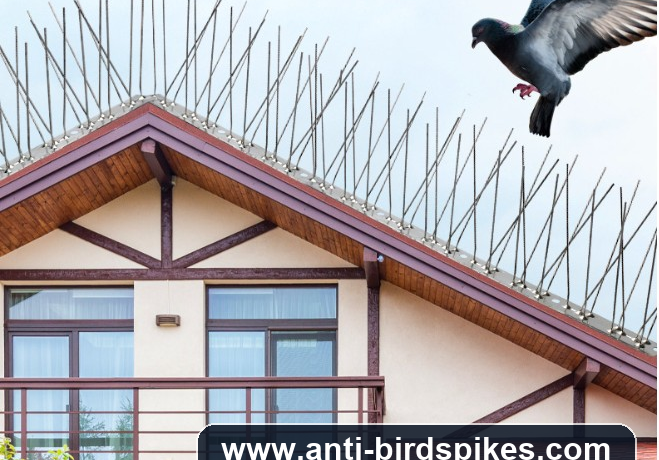
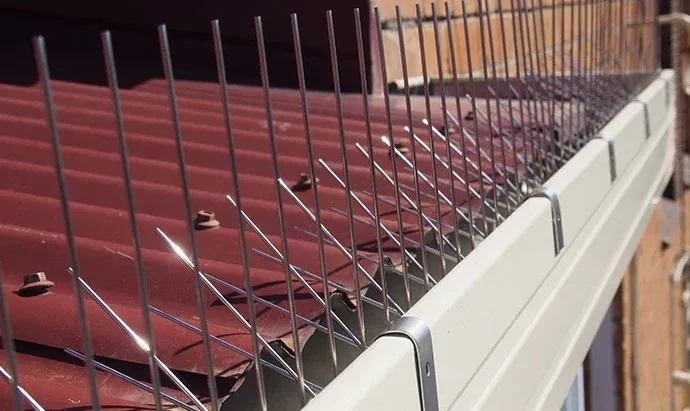
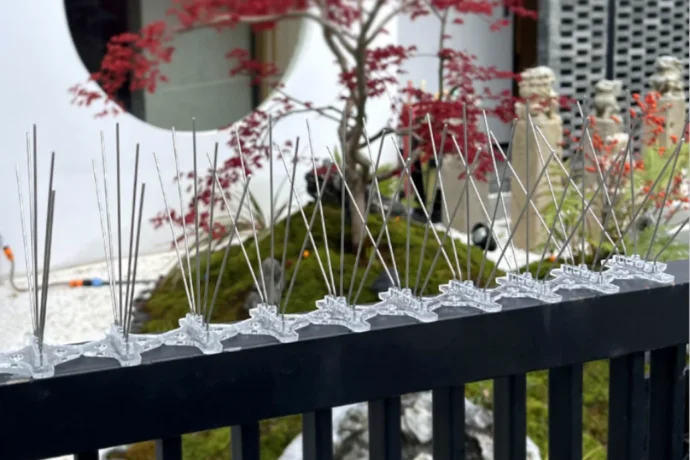
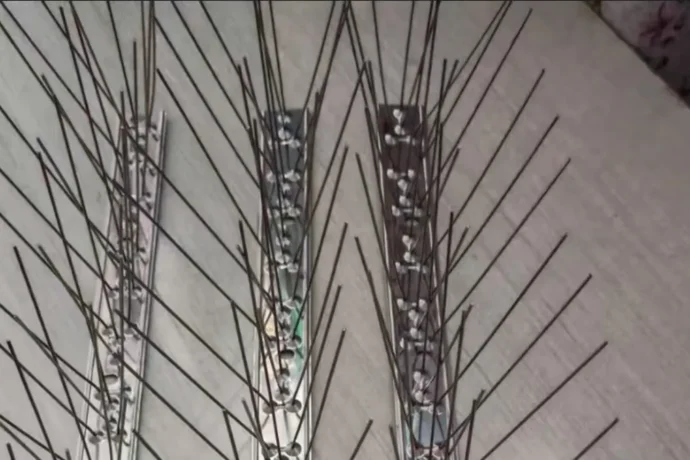
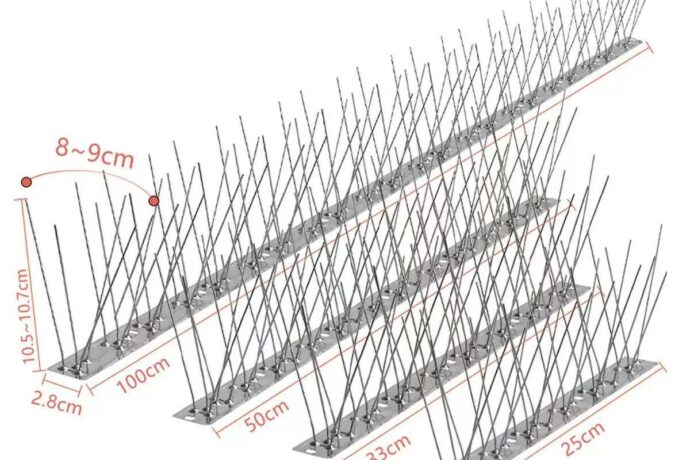
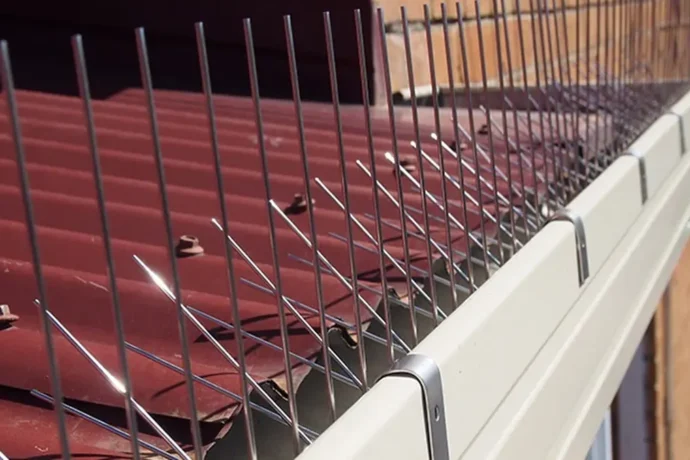
Reflective ribbon is a low-cost visual and movement deterrent, not a physical barrier. It is less reliable in rain, low light or prolonged calm weather, and persistent species may adapt to it. For high-value fruit or a commercial building, combine ribbon with netting, bird spikes, exclusion wire or another suitable method at the point where birds actually settle.
For the full placement method, see our guide to using bird deterrent ribbon in orchards and farms. You can also browse reflective bird deterrent tape or send us your site details for product and spacing advice.
Further reading: UC IPM — agricultural bird management resources.