
Why do bird spikes matter if birds are part of the outdoor environment? The issue starts when birds repeatedly settle on building edges. Droppings, feathers and nesting material increase cleaning work, affect the appearance of entrances and can interfere with equipment. A targeted physical barrier discourages those landings without poison, glue or traps.
What are bird spikes?
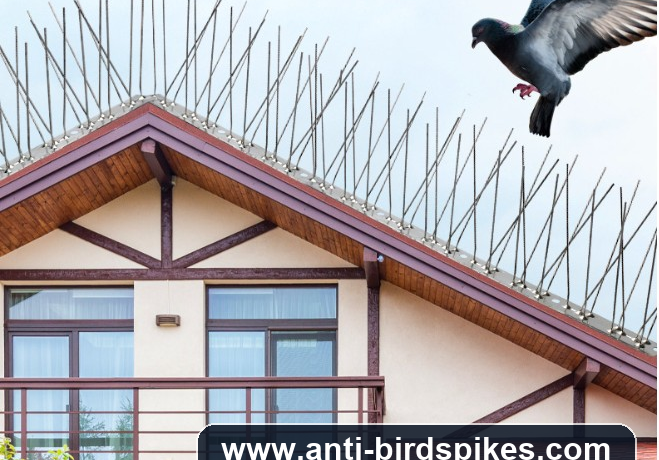
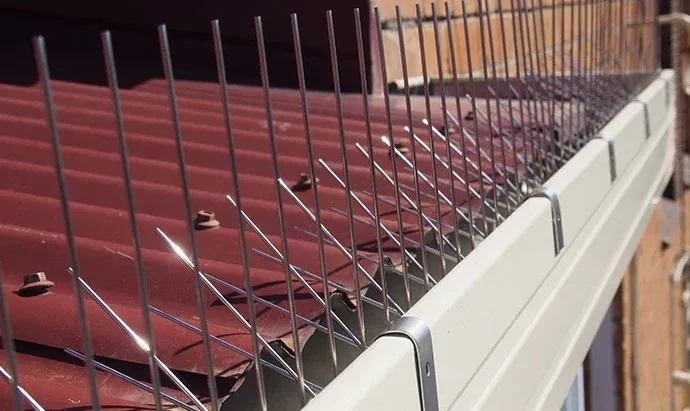
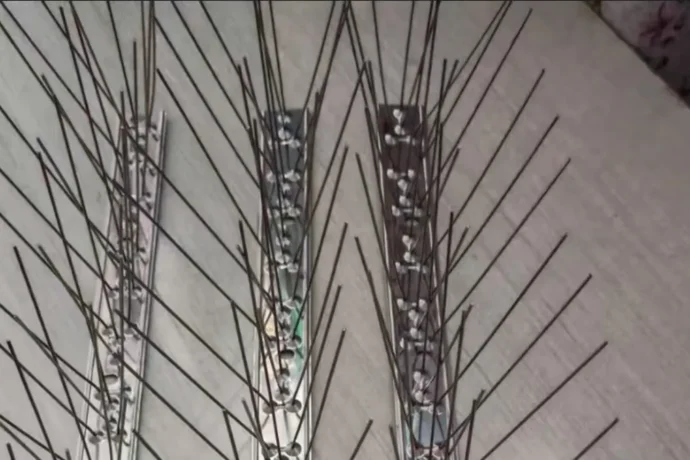
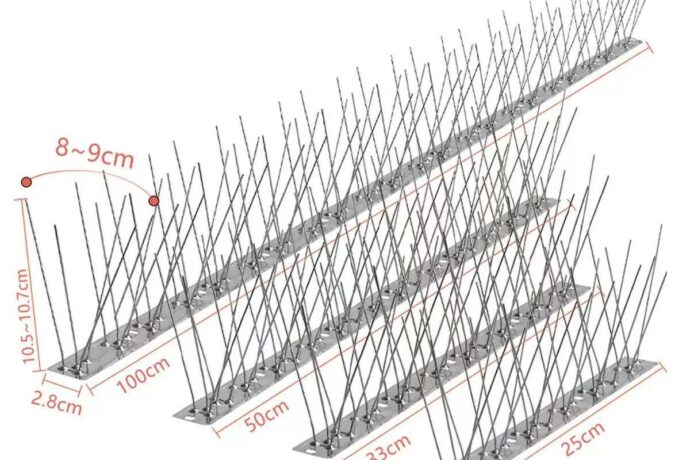
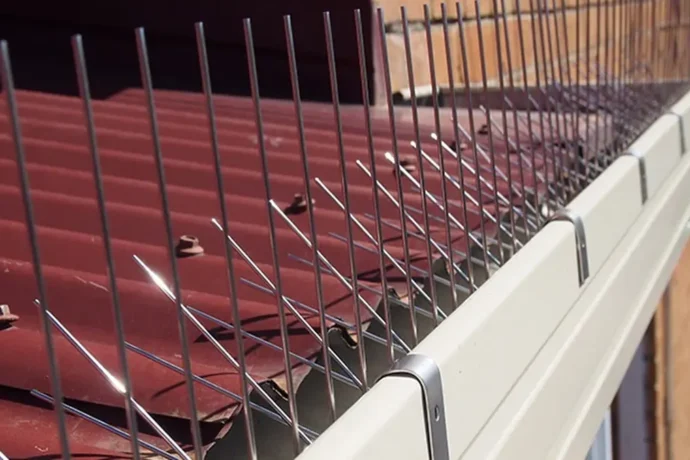
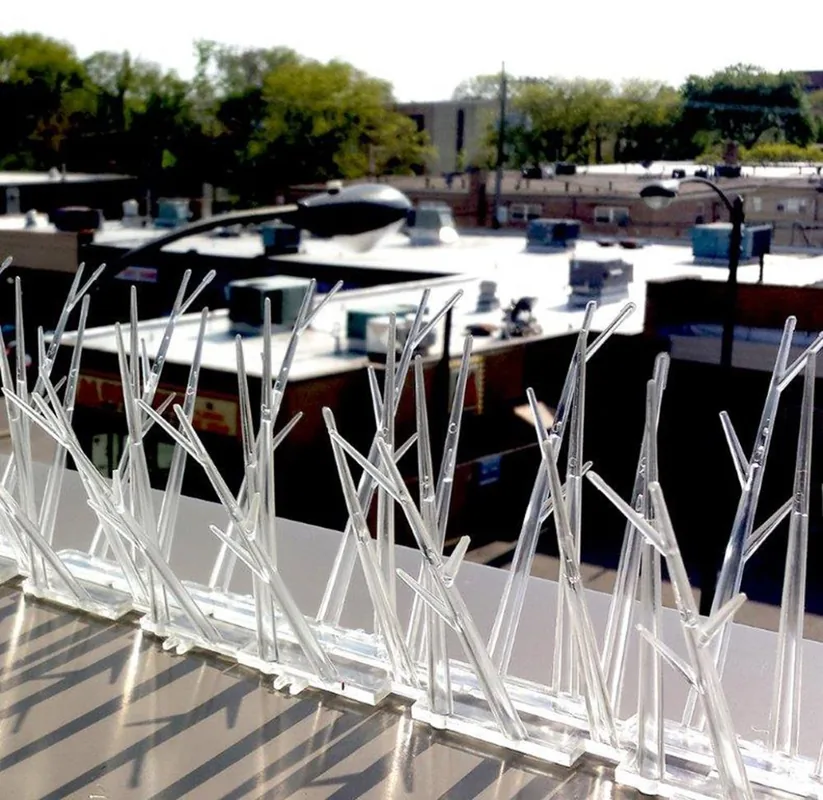
These narrow strips of upward-facing pins are fixed to ledges, parapets, gutters and equipment housings. They make a horizontal surface uncomfortable for birds to land on. The pins interrupt a stable perch rather than catching or injuring birds, making them a useful part of a planned building bird control strategy.
Four reasons bird spikes matter
- Cleaner entrances and shared areasKeeping birds away from canopies, signs and overhead ledges can reduce droppings on walkways, windows and doorways. Regular cleaning remains important, but the source of repeated soiling is reduced.
- Lower maintenance pressureProtected edges need fewer reactive clean-ups and temporary fixes. Property teams can place inspection and cleaning on a planned schedule instead of responding repeatedly to the same ledge.
- Better protection for rooftop equipmentBirds may use HVAC housings, roof edges and service structures as perches. Spikes can help reduce nesting debris around equipment while keeping vents, access panels and drainage clear.
- A humane bird deterrentPhysical exclusion does not depend on poisoned bait or sticky coatings. A correctly installed product makes the landing surface unsuitable, allowing birds to move to a more appropriate location.
Where building bird control makes the biggest difference
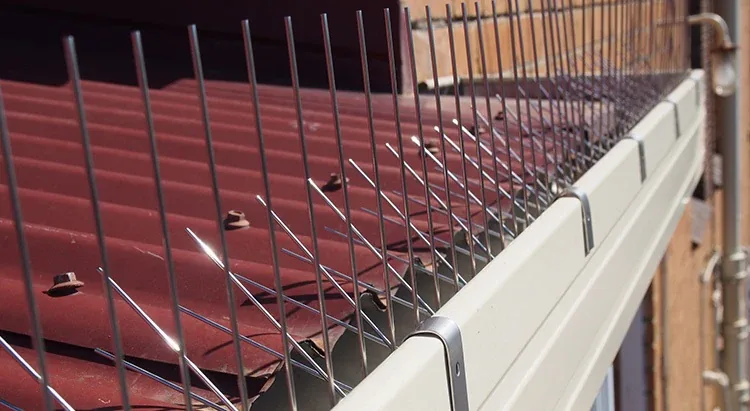
Priority areas usually include entrance canopies, roof parapets, window ledges, gutter edges, loading areas and rooftop equipment. Cover the full landing footprint, including corners and returns. A short strip in the middle of a wide ledge can leave birds enough room to settle at either end.
For a roof-specific plan, read our pigeon deterrent roof guide. For existing buildings, start by checking the mounting surface and whether fixings can be installed without affecting waterproofing.
What makes installation effective
- Complete coverage: protect the full usable width of the landing area.
- Secure fixing: use clips, ties, adhesive or sealed mechanical fixings as appropriate.
- Correct spacing: confirm pin spacing and height for the target bird and product design.
- Routine inspection: check fixings and pins periodically and after severe weather.
Stainless steel options such as the 304 stainless steel bird spike system are suited to many exposed building applications; coastal sites should also review grade 316.
Physical protection is most valuable as part of a broader building-management plan: remove food and nesting opportunities where possible, maintain drainage, inspect fixings and direct birds away from sensitive surfaces.
Choosing a long-term building solution
A humane bird deterrent should be selected for the surface, exposure and target species—not simply the lowest purchase cost. A complete bird spike installation can reduce repeat cleaning and equipment interference while keeping the building’s public-facing areas cleaner and safer. Browse the full bird spike collection or read our guide to eco-friendly bird control.
Need advice on a bird-control plan for your building?
Share photos of the affected edge, protected lengths, target bird, fixing surface and project location. We can help confirm the product format and installation method.
This guide provides general information. Product selection and installation should follow current instructions and local building, work-at-height and wildlife requirements.