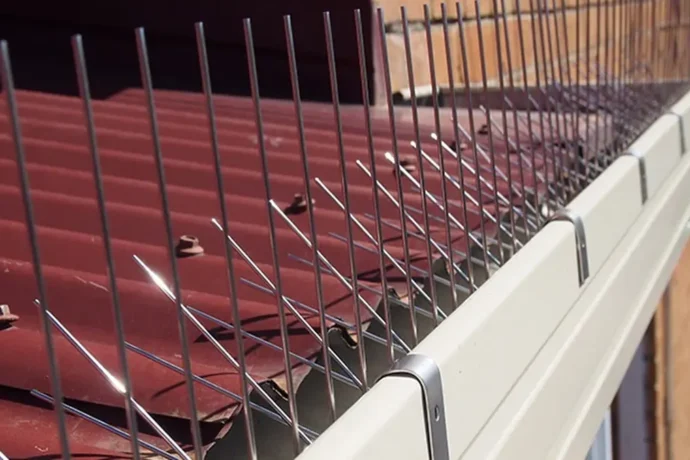
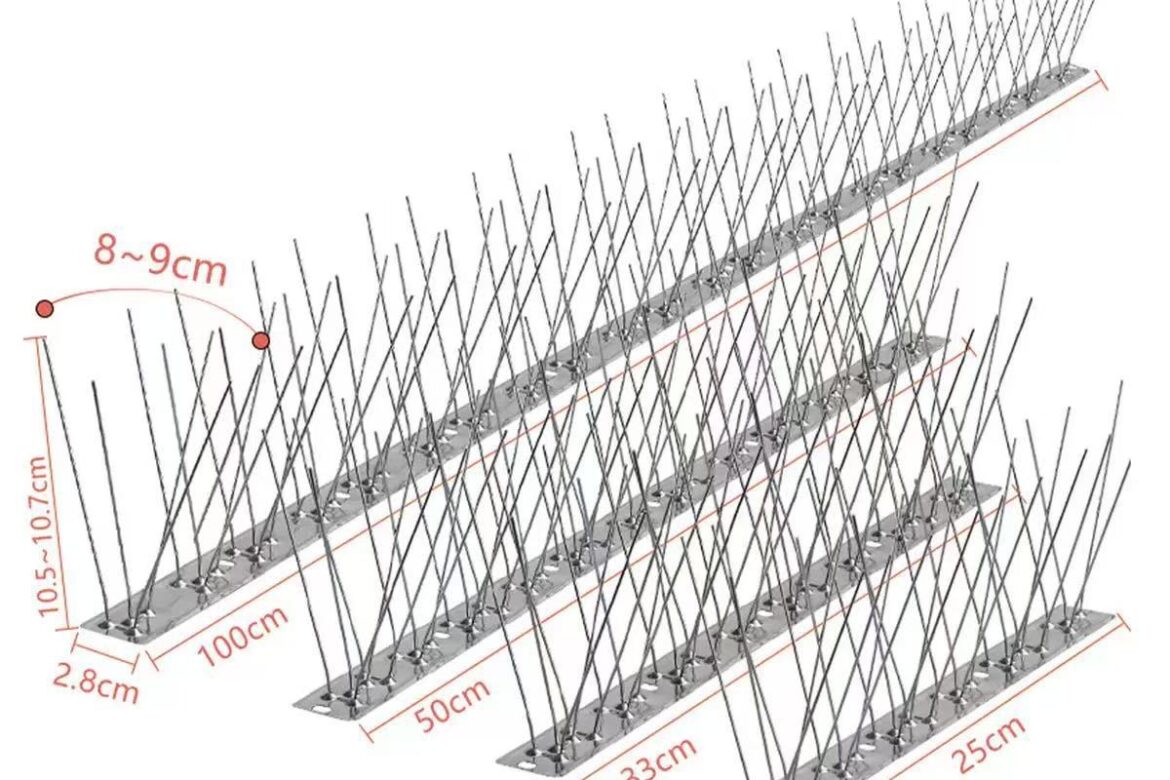
What separates a busy bird-control display from a catalogue that buyers quickly leave? At hardware, building-material and sourcing exhibitions, visitors can identify bird spikes in seconds. Serious buyers then ask about spacing, material, documentation and container packing. For wholesale bird spikes, the product itself starts the conversation; verifiable supply details close it.
Why bird spike displays attract attention
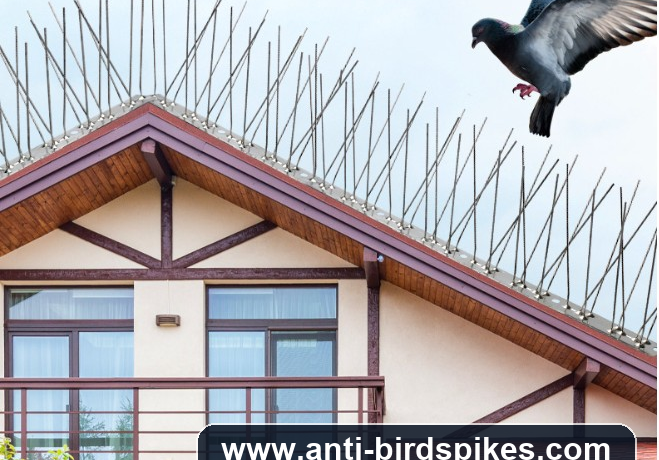
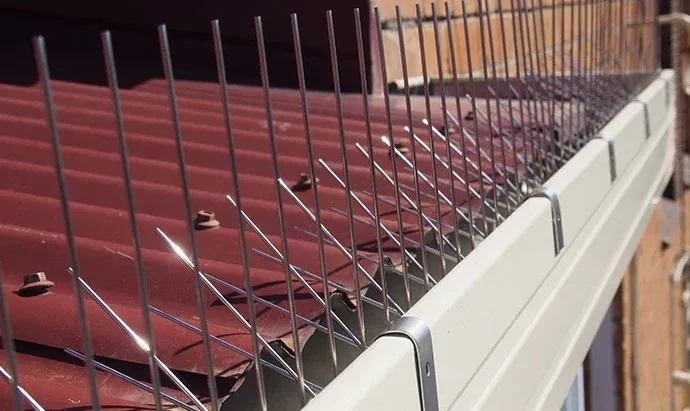
Bird spikes have an immediate visual purpose. A visitor does not need a long presentation to understand that upward-facing pins make a ledge unsuitable for landing. That clarity brings people to the stand—but it rarely completes a wholesale sale by itself.
Real demand also appears across building refurbishment, solar operations, cold storage, food facilities and property maintenance. A builder or procurement team may stop at the display after recognising a landing problem on an active project. The conversation then moves from general interest to measurable requirements.
The four questions wholesale bird spikes buyers ask first
| Buyer question | What to show | Why it matters |
|---|---|---|
| How close are the pins? | Spacing sample, target-bird range and strip coverage detail. | Poor coverage can leave a usable landing point and cause costly rework. |
| Which stainless grade? | 304, 316 or alternative material options with the intended environment. | The lowest purchase price may not be the lowest whole-project cost. |
| What can be verified? | Relevant material declarations, test files and available compliance documents. | Project approvals often require documentation before price comparison. |
| How will it ship? | Strip length, carton dimensions, packed weight, carton quantity and joining method. | Light, bulky goods make packing efficiency central to landed cost. |
1. Pin spacing and usable coverage
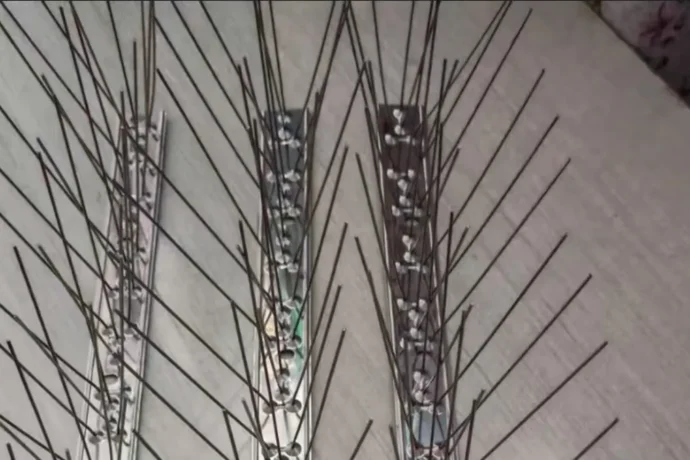
A pin sample is more persuasive than a verbal claim. Around 50 mm or tighter is often used for small landing edges, but the correct pattern depends on the target bird, pin length and base design. Show both the spacing and the area the strip covers, including what happens at corners and joins.
2. Material grade and exposure
Specify grade 304 for many inland outdoor applications. Grade 316 should be reviewed for coastal, marine and high-chloride sites. Lower-cost grades may suit some dry environments, but the buyer should compare expected inspection frequency, corrosion risk and replacement cost—not only the metal price.
For a detailed comparison, read our guide to 304 versus 316 stainless steel bird spikes.
3. Documents that support the buying process
Documentation requests vary by destination and project. EU buyers may ask for RoHS or REACH evidence for relevant materials. Other projects may need grade certificates, product drawings, packing data or test reports. A credible bird spike supplier should be able to confirm what is available and which product, coating, adhesive and packaging components the document covers.
4. Packing, carton loading and modularity
Because spikes are lightweight but bulky, the pack plan directly affects freight allocation. Buyers need the strip length, number per carton, carton dimensions, gross weight and pallet pattern. Modular bases and connectors should also be demonstrated, since one standard format may need to cover several ledge widths.

The buying conversation is moving from price to proof
Trade-show enquiries increasingly begin with specifications and supporting files before price. That change is visible when bird control products enter planned commercial or public-sector projects: the purchasing team must often document performance, materials and compliance before an internal approval can move forward.
A supplier who can immediately provide a material sheet, product drawing, installation diagram and packing proposal removes uncertainty from that process. The strongest exhibition pack is not more printed banners; it is a concise, complete technical folder the buyer can take back to the project team.
What makes a trade-show bird spike sample stand out
Bundle the product drawing, relevant material documents, fixing options, target-bird guidance and carton-loading data into one pack. Buyers can then evaluate the supply instead of collecting isolated claims from several suppliers.
Prepare before the next sourcing exhibition
- Bring a physically representative sample, not only a printed image.
- Show spacing, base width and end-to-end joining details.
- Prepare a clear material-grade matrix for inland, coastal and budget-sensitive projects.
- Use a one-page loading plan with carton dimensions, quantity and packed weight.
- Make the route from sample to quotation easy: product reference, target quantity and delivery country.
Looking for a reliable bird spike supplier?
Share the target bird, protected length, installation surface, preferred material, quantity and delivery destination. We can help prepare a product quotation and sample discussion for your market.
Explore our wholesale bird spikes or read the eco-friendly bird spike guide. Compliance and test requirements depend on the final materials, destination and project specification.