Can pigeon spikes help prevent bird droppings from building up on buildings? When pigeons repeatedly land on a ledge, every visit leaves the possibility of more mess below. A physical barrier along that perch can support bird dropping prevention at entrances, windows, roof edges and equipment areas.
Why bird droppings become a building problem
Pigeons favour ledges with a stable surface, a clear view and protection from weather. Once they return to the same spot, droppings and nesting debris can accumulate on canopies, walkways, windows and equipment.
The effect goes beyond appearance. Mess around entrances increases cleaning frequency and may create slip or hygiene concerns. Droppings on roof equipment can make maintenance work less pleasant and more difficult to inspect. Where pigeon activity becomes established, the same access point is often reused day after day.
How pigeon spikes help with bird dropping prevention
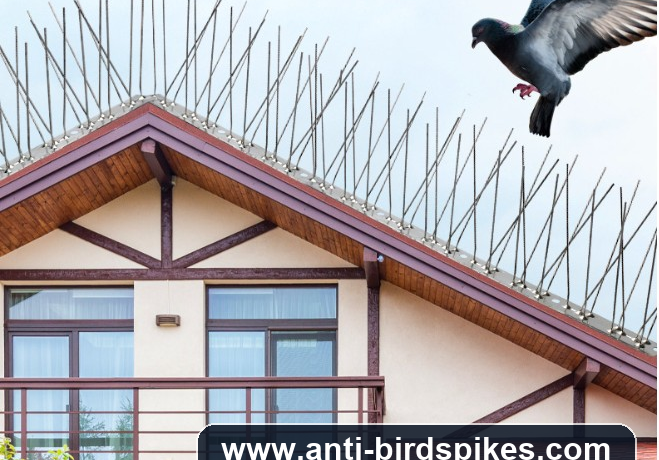
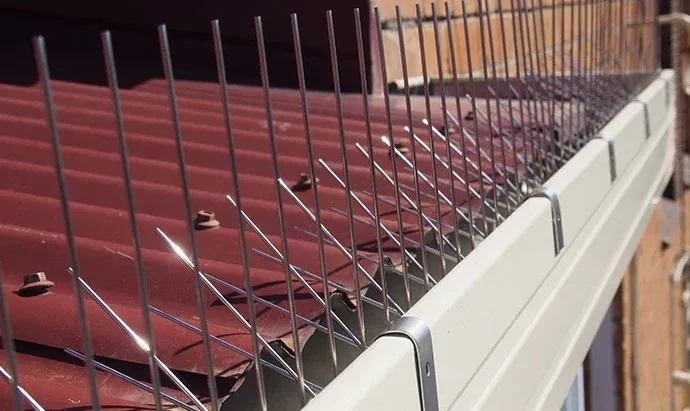
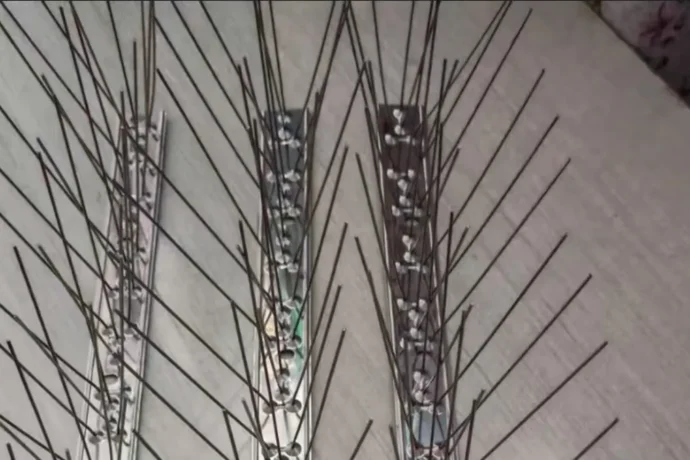
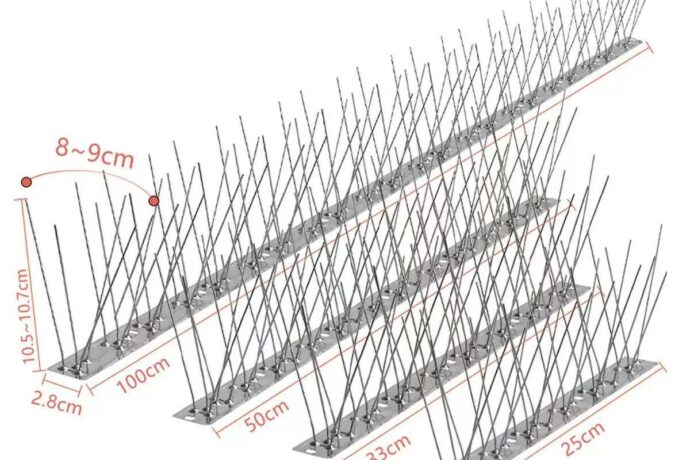
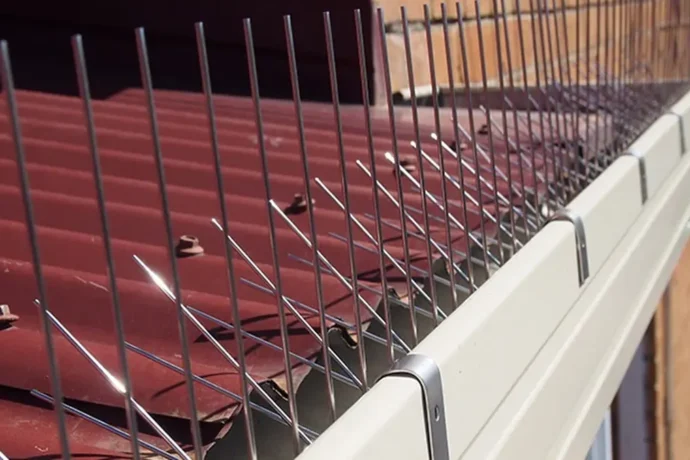
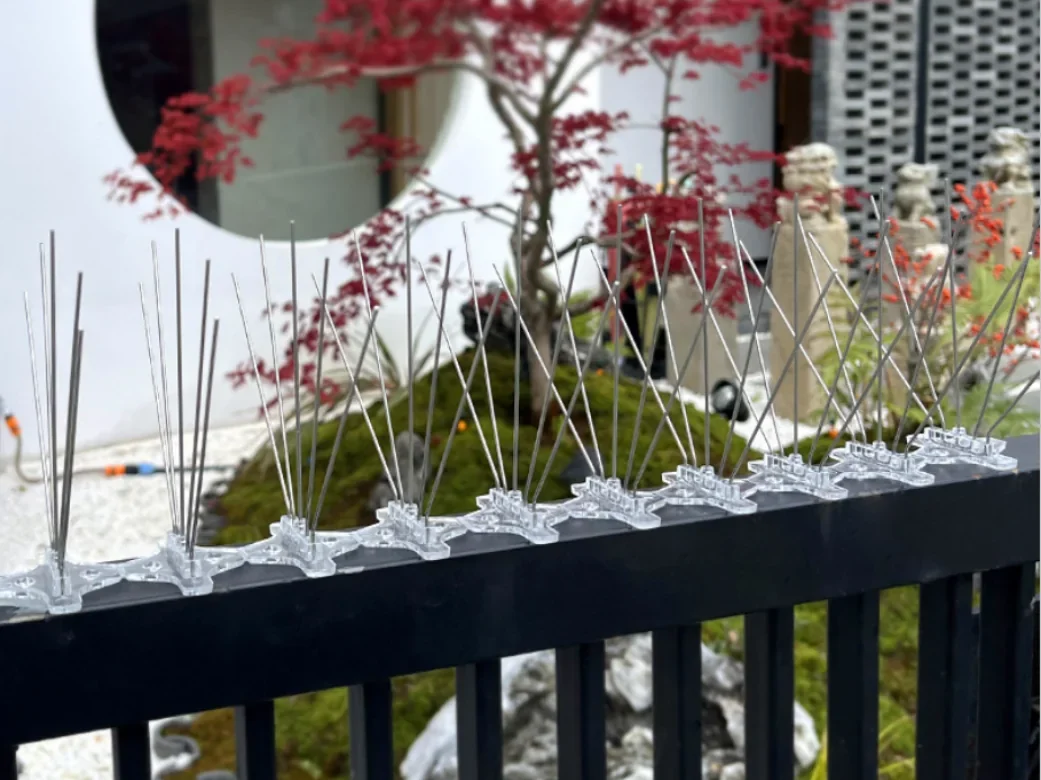
Pigeon spikes are closely spaced, upward-facing pins fixed along a horizontal edge. They make the surface uncomfortable for birds to settle on. By removing a stable perch, the strips can reduce repeated visits and the droppings that collect directly beneath that landing point.
Where pigeon control matters most
| Area | Risk when pigeons perch | Protection priority |
|---|---|---|
| Entrance canopies | Droppings near doors and walkways | Protect the upper landing edge |
| Window ledges and signs | Streaking and frequent cleaning | Cover the full horizontal depth |
| Roof edges and parapets | Mess close to drainage and equipment | Maintain clear water paths |
| Service areas | Additional hygiene and access concerns | Secure all reachable perches |

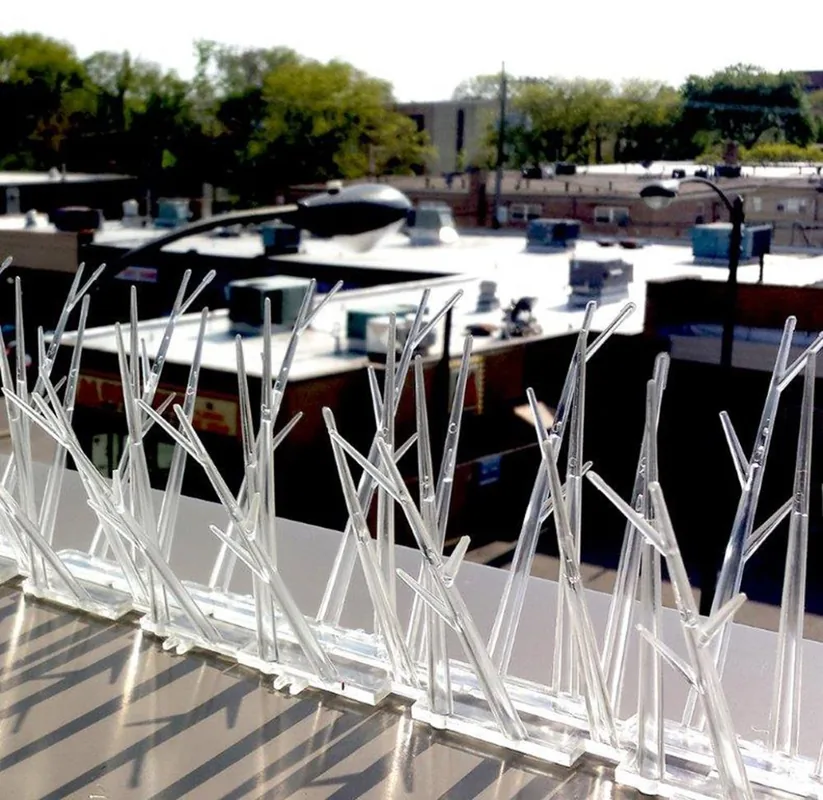
What installation details improve bird dropping prevention?
- Cover the full landing footprint: include ends, corners and nearby returns.
- Use secure fixings: adhesive, clips, ties or sealed mechanical fixings should suit the surface and wind exposure.
- Keep drainage and access clear: never block gutters, vents or maintenance panels.
- Handle existing mess safely: use suitable protective equipment and avoid dry sweeping.
- Inspect after severe weather: repair loose strips or damaged pins before a gap reopens.
For a durable metal specification, review the 304 stainless steel bird spikes. For broader planning guidance, read the importance of bird spikes.
These strips are a targeted deterrent for landing and roosting areas. They cannot prevent every dropping from a bird flying overhead, but they can help stop the repeated accumulation caused by a favoured perch.
Planning a cleaner building exterior?
Share photos of the affected ledges, roof edges and canopies, plus the protected lengths and installation surface. We can help identify suitable formats and fixings.
Talk to us about pigeon control and bird droppings
Send your photos and dimensions for a product and installation review.
This guide is general product and maintenance information. Follow current technical instructions and local requirements for work at height, cleaning and wildlife protection.