
What is the advantage of installing roof bird spikes before a new shopping mall opens? The work can be planned around construction access and roof details instead of becoming a later maintenance task. The strips also provide a chemical-free, humane way to prevent birds settling on exposed edges.
Why roof bird spikes suit a new shopping mall
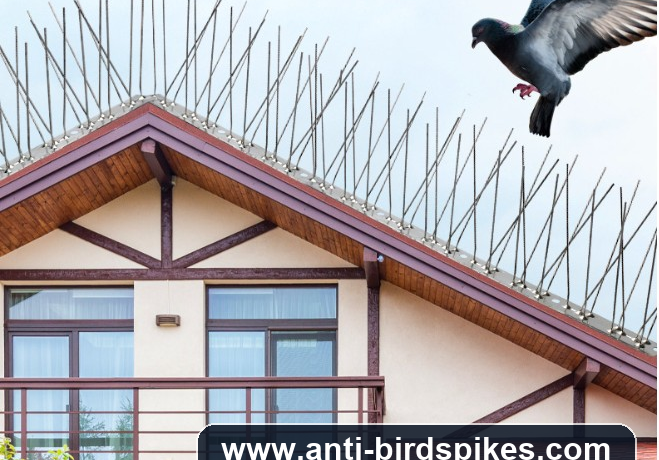
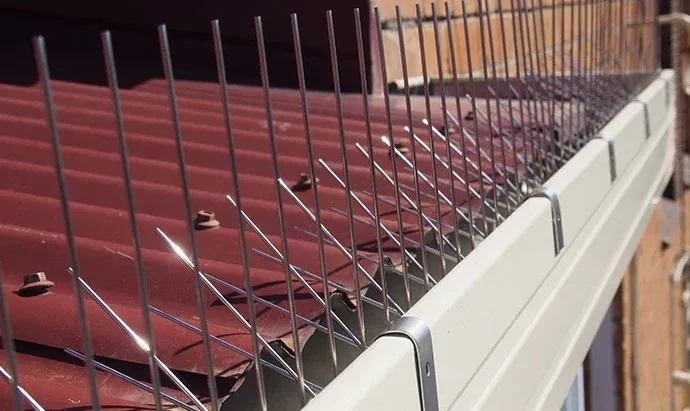
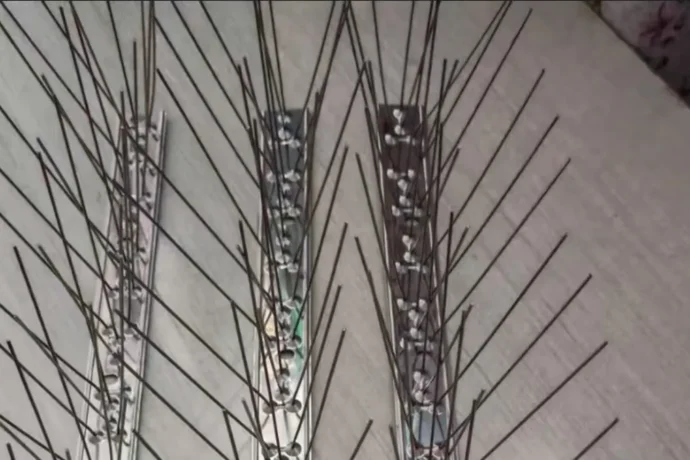
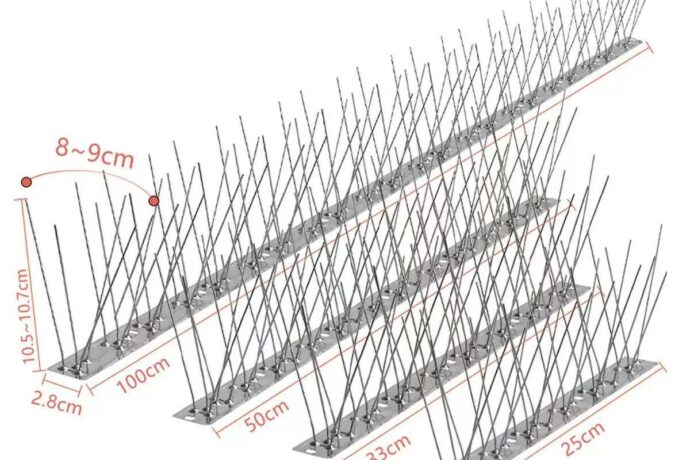
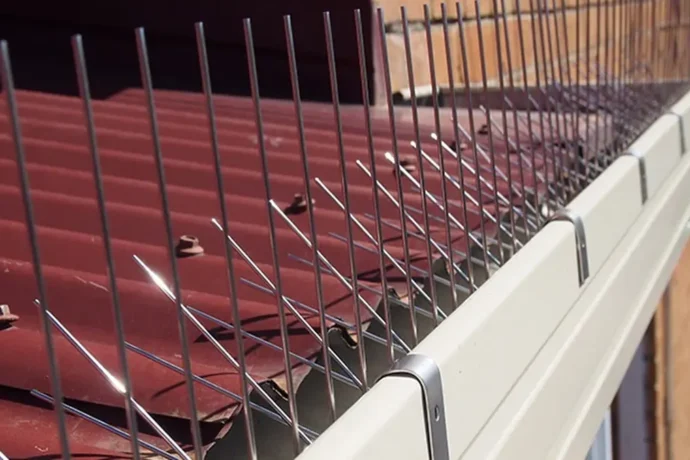
Roof bird spikes are narrow strips of upward-facing pins fixed along horizontal edges. They remove the stable surface birds need for landing and roosting. Because they work by physical exclusion, they require no poisonous bait, sticky glue or electrical connection.
Five advantages of early installation

Where shopping mall bird control matters
Focus on horizontal surfaces where birds can settle: roof parapets, raised edges around skylights, canopy tops, service-yard beams, HVAC housings, gutters and accessible signs. Protect the usable width and the ends of each run without blocking drainage, vents, access panels or maintenance routes.
A pigeon deterrent roof guide can help with typical edge selection, while the full bird spike collection shows available materials and profiles.
How an eco-friendly bird deterrent works
An eco-friendly bird deterrent changes where birds can land rather than relying on poison or traps. Dense pins make a ledge uncomfortable to occupy, so most birds move to another area. Correct spacing, secure fixings and complete coverage are essential for both performance and bird welfare.
For exposed mall roofs, 304 stainless steel bird spikes provide a durable option for review. Coastal or high-chloride sites should also evaluate grade 316. Our guide to humane, eco-friendly bird spikes explains the safety principles in more detail.
Safe installation and maintenance
- Use a secure work-at-height method and never overreach from a ladder.
- Fix each strip firmly; a loose product can become a falling hazard.
- Use clips, ties or compatible adhesive where possible. Seal any required screw penetration.
- Check the roof for active nests and follow local wildlife rules before disturbing the area.
- Inspect fixings and pin condition periodically and after severe weather.
Specify protection from the roof layout, not from a simple box count. Continuous coverage at the identified landing edges is more reliable than isolated short strips.
Planning a new retail roof?
Share the roof plan, edge photos, protected lengths, building location and preferred completion stage. We can help confirm the strip format, fixing method and project quantity.
Discuss a rooftop bird-control plan for your shopping mall
Send the roof details and construction stage for a product and installation review.
This article provides general planning information. Final product selection, fixing and installation must follow the current technical instructions and local building and wildlife requirements.