Perimeter measurement / safe fixing / maintenance
Solar panel bird guard installation works best when the mesh closes the complete route beneath the array instead of covering only the most visible gap. Measure the perimeter, confirm safe roof access, select compatible clips or fasteners, and tension the bird netting for solar panels without blocking drainage, wiring or inspection points.
What does a solar panel bird guard do?
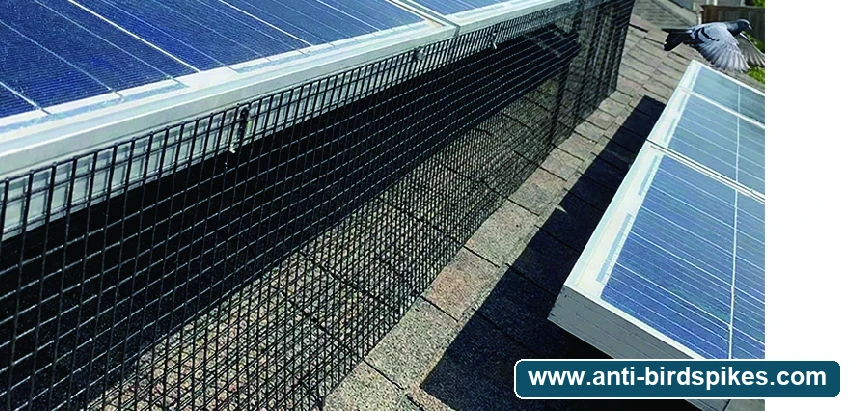
A solar panel bird guard is a mesh skirt fitted around the open edge beneath or beside a solar array. Its purpose is to stop birds entering the narrow space between the panels and roof, where they may shelter, roost or gather nesting material.
Systems sold as solar panel bird guards can use perimeter mesh, rigid screening or clips, so compare the actual opening and fixing method rather than the product name alone.
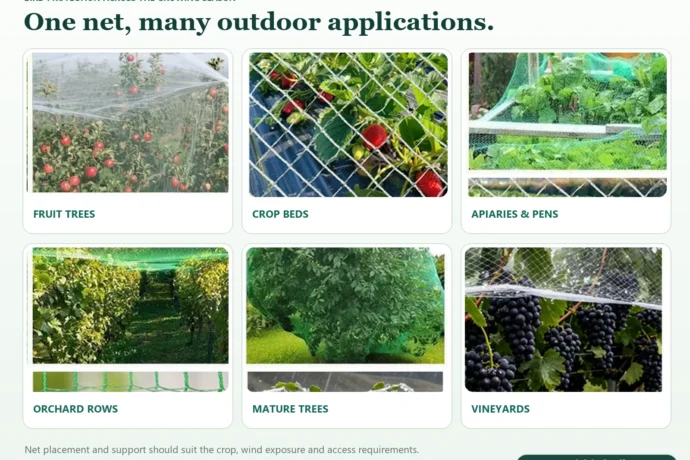
The net should cover an access route. It should not cover the active face of the module, restrict airflow through equipment, trap birds or prevent maintenance. This distinction matters: netting is not simply “more of the same” as bird spikes.
| Site condition | Suitable starting point |
|---|---|
| Open gap beneath panels | Perimeter bird netting with matched clips and fasteners |
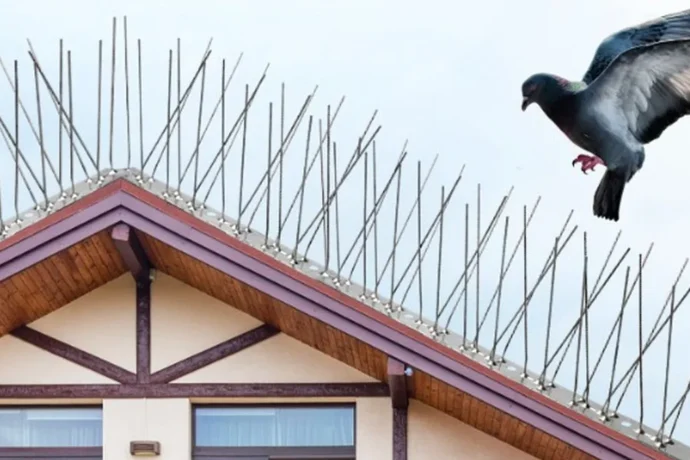
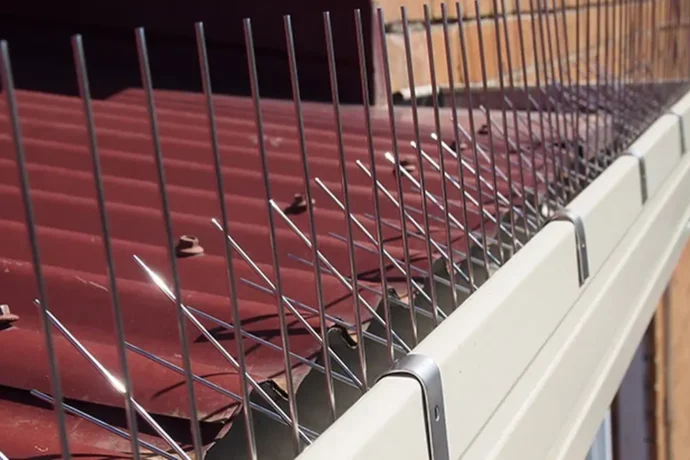
| Narrow top landing edge | Solar panel bird spikes where the mounting route is approved |
| Multiple disconnected gaps | Separate measured net sections or a combination of methods |
| Difficult access or fragile frame | Do not force an installation; have the mounting method reviewed first |
Measure before choosing a solar panel bird barrier
Start at one corner and trace the complete exposed route. Record every rail, end return, cable tray, roof penetration and section where access is needed. The measured line often differs from the outer outline of the panel rectangle.
- Perimeter length: record each straight run and both returns at corners.
- Gap height: measure the exposed opening from the roof surface to the panel edge.
- Support positions: identify panel rails or other approved fixing points.
- Roof surface: note tile, membrane, metal or other material and whether walking access is approved.
- Services: mark drains, vents, conduit, isolators and areas requiring inspection.
- Wind exposure: record open edges and the prevailing wind direction so tensioning and fastening can be reviewed.
Installation sequence
- Complete a safe access plan. Use appropriate roof-access equipment and fall protection for the building.
- Inspect the array and roof. Look for loose parts, sharp edges, damaged wiring or active nests before work begins.
- Dry-fit the perimeter. Mark corners, joins and service openings before cutting any mesh.
- Fit approved attachments. Use the fixing detail specified for the panel rail, gap and roof system. Avoid drilling through modules.
- Tension without distortion. Keep the mesh straight enough to remove loose pockets and entry gaps without loading fragile components.
- Close the perimeter. Check end returns, overlaps and transitions around roof obstructions.
- Inspect immediately. Confirm that no bird is trapped, all fixings engage and drainage remains clear.
How many rolls might you need?
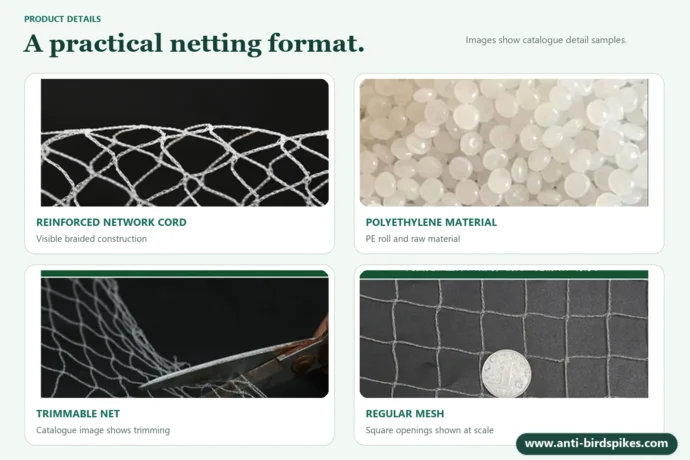
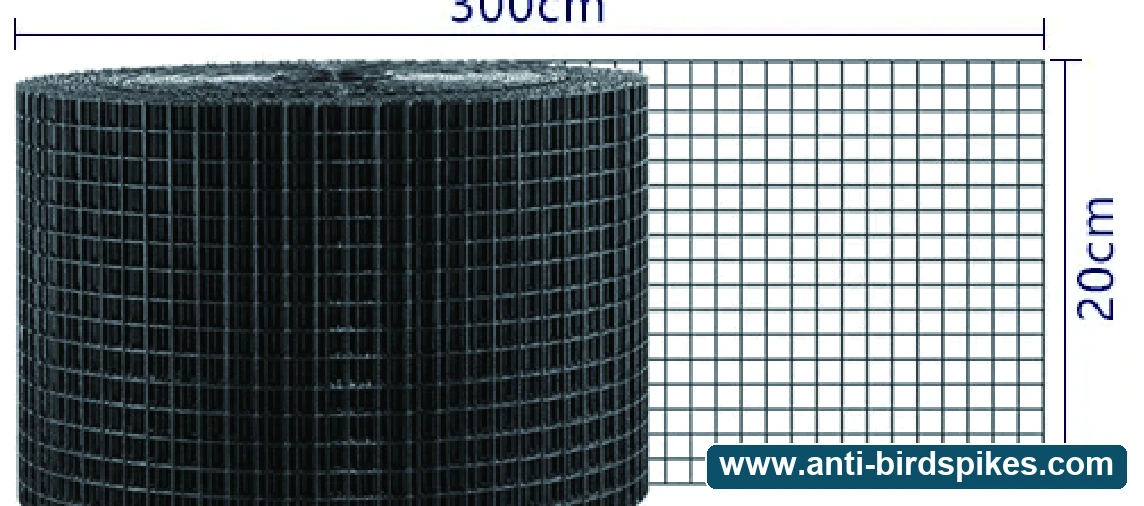
The YTZK-24-1 catalogue roll is 300 cm long before cutting. Three metres of nominal coverage per roll means a measured 18 m perimeter would require at least six rolls, before allowing for corners and waste. Confirm the final quantity against the actual gap, overlap method and pack size rather than using the panel wattage.
For a quotation, send a simple plan with:
- The total measured perimeter and number of rows.
- The array height and exposed gap height.
- The rail, roof and mounting details.
- The required mesh opening and colour.
- The intended quantity, packing and delivery country.
When bird netting is the wrong choice
Do not install a mesh skirt across the active panel face, around moving components or over access that must remain open. Netting is also a poor solution when the problem is limited to a narrow top edge that can be safely protected with spikes.
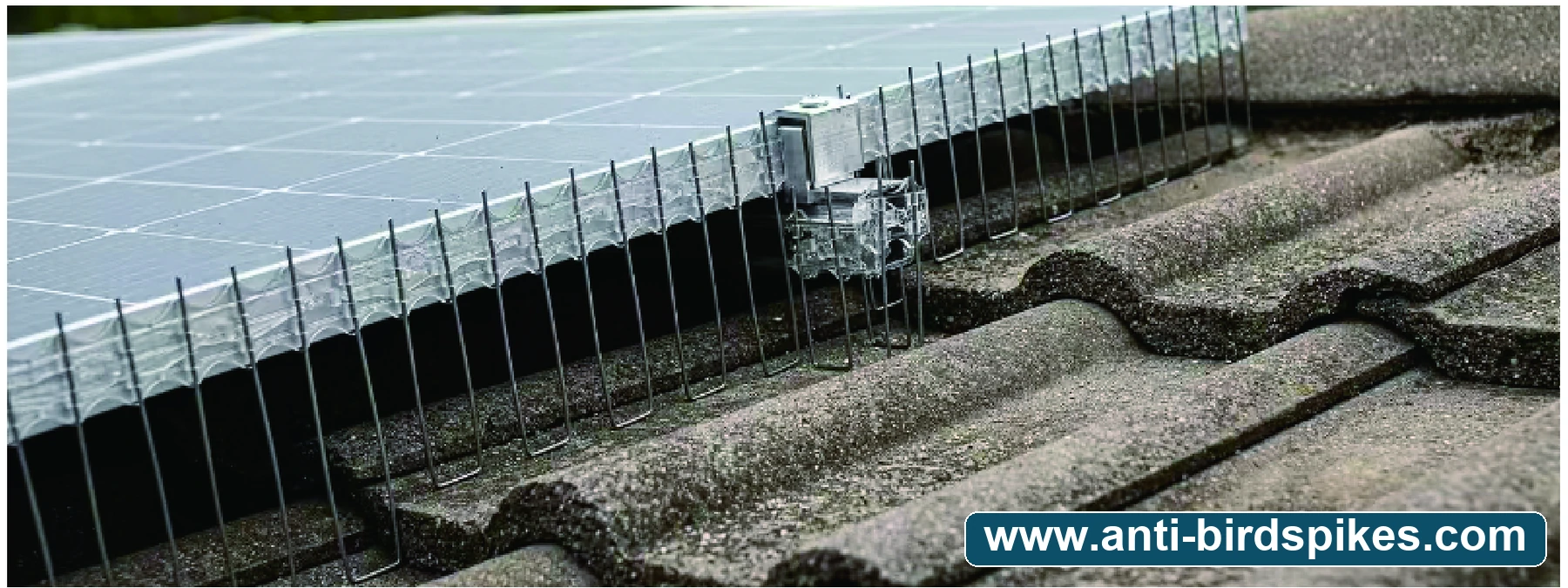
Choose solar panel bird spikes when the birds land on a narrow rail or top edge. Choose the YTZK-24-1 solar panel bird-proof net when the problem is an opening beneath or around the array.
Maintenance after installation
- Inspect tension and fasteners during normal roof maintenance and after severe weather.
- Remove trapped leaves or debris without pulling the attachment points away from the rail.
- Check for abrasion against sharp metal, roof tiles and cable clips.
- Keep panel inspection access and drainage routes usable.
- Repair loose or damaged sections promptly; an open corner defeats the perimeter.
Frequently asked questions
Can bird netting be fitted without drilling the solar panels?
Many installations use compatible clips or rail attachments. The correct method depends on the panel frame and roof system; do not drill through the active module or assume one attachment fits every array.
Should the mesh cover the solar panels themselves?
No. The intended solar panel bird guard is a perimeter skirt that closes an access route while keeping the active panel face clear.
Are bird spikes or netting better?
Spikes suit narrow landing edges. Netting suits an opening or volume that birds can enter. Some installations need both, subject to a site-specific fixing plan.
Can I install the net during nesting season?
Check the site for active nests and follow local wildlife rules. Do not seal or disturb an occupied nest without appropriate advice.
Send the array perimeter, gap height, mounting rail details, quantity and delivery country.
Email: winnie@anti-birdspikes.com or info@anti-birdspikes.com
WhatsApp: +86 132 0535 1335
Prepared by the Anti-Birdspikes product team · Reviewed November 7, 2026. This guide provides general planning information. Confirm roof access, electrical safety, fixing compatibility and local wildlife rules with the responsible professional.